100% Cotton vs Poly-Cotton: Which Fabric Lasts Longer?
Compare pure 100% cotton with poly-cotton blends (65/35 & 50/50) for durability, breathability, shrinkage, and daily wear.
The debate between 100% pure cotton and poly-cotton blends is one of the most common dilemmas in clothing production. While pure cotton delivers natural breathability and luxury softness, poly-cotton blends offer unmatched tear strength and wrinkle resistance.
While 100% cotton gives unrivaled breathability, blended 60/40 cotton-poly fabrics provide exceptional wrinkle resistance in our poly-cotton blended polo t-shirts.
What Is 100% Pure Combed Cotton?
100% cotton is spun entirely from natural plant fibers. It is hypoallergenic, biodegradable, and exceptionally breathable.
Cotton fibers have natural capillary action that absorbs body perspiration and allows fresh air to circulate. This makes 100% combed cotton the undisputed gold standard for retail fashion, streetwear, and premium casual wear.
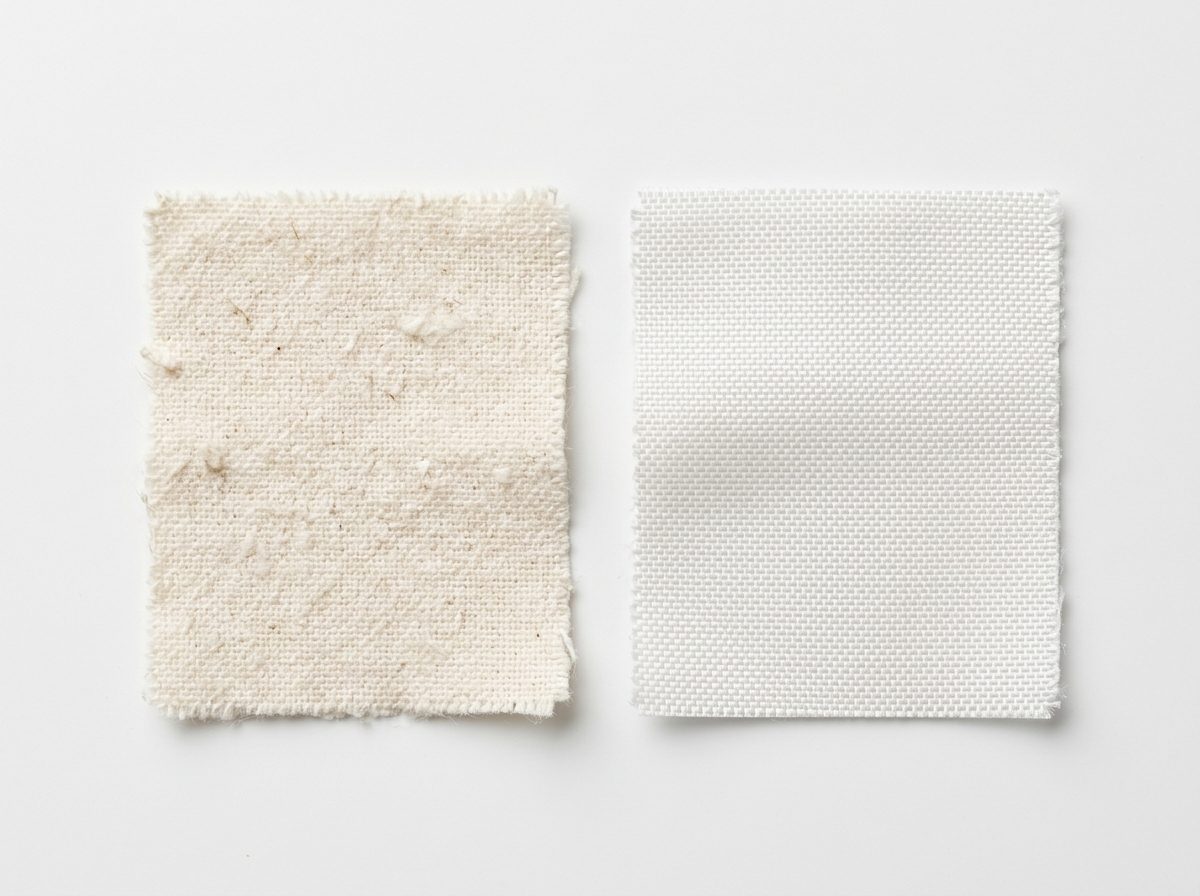
Photo Reference: Pure breathable natural cotton compared with wrinkle-resistant poly-cotton blend weave.
What Is Poly-Cotton Blend Fabric?
Poly-cotton is an engineered blend that combines natural cotton fibers with synthetic polyester filaments (most commonly 65% polyester / 35% cotton, or 50/50 blends).
By fusing cotton's softness with polyester's high tensile strength, poly-cotton creates a fabric that is virtually tear-proof, dries twice as fast as cotton, and resists wrinkles and shrinkage through hundreds of industrial wash cycles.
Key Differences in Durability, Breathability, and Shrinkage
In terms of durability, poly-cotton blends easily outlast pure cotton in high-friction environments like industrial workplaces, restaurants, and schools.
However, in hot and humid weather, pure cotton is far superior because synthetic polyester fibers do not absorb moisture, which can make wearers feel clammy and hot.
Side-by-Side Comparison
| Performance Factor | 100% Pure Combed Cotton | Poly-Cotton Blend (65/35) |
|---|---|---|
| Breathability in Heat | Superior (absorbs sweat & vents heat) | Moderate (can trap body heat in humidity) |
| Wrinkle Resistance | Wrinkles easily, benefits from ironing | High wrinkle resistance (wash-and-wear) |
| Shrinkage Resistance | 2% to 4% natural contraction | Less than 1% shrinkage |
| Tensile & Tear Strength | Standard natural fiber strength | Extremely high industrial durability |
| Perceived Retail Value | High (demanded by fashion buyers) | Utilitarian (standard for uniforms & workwear) |
Which One Should You Choose for Your Project?
Choose 100% combed cotton if you are launching a retail clothing label, streetwear brand, or lifestyle collection. Modern consumers expect pure natural cotton for everyday tees and hoodies.
Choose poly-cotton blends if you are manufacturing corporate employee uniforms, security workwear, hotel staff attire, or school uniforms that require daily washing, zero ironing, and long-lasting colorfastness.
For durable daily staff uniforms that withstand industrial laundry cycles, explore our corporate uniforms and workwear manufacturing options.
Frequently Asked Questions
Straightforward answers to the 5 most common questions on this topic.
Explore Related Production Lines
READY TO MANUFACTURE YOUR CUSTOM CLOTHING LINE?
Connect with our Goregaon West team to review premium fabric swatches, order sample prototypes, and receive custom bulk pricing.