Combed Cotton vs Regular Cotton: Why Combing Matters
Discover what combed cotton is and how mechanical fiber combing eliminates impurities, prevents pilling, and adds softness.
When touching two cotton t-shirts side by side, one can feel silky and soft while the other feels slightly rough and scratchy. The secret is fiber combing. Understanding the difference between regular carded cotton and combed cotton helps you choose fabrics that stay soft and pill-free for years.
To eliminate short fibers and prevent surface fuzz, S P CREATION strictly enforces 100% super-combed yarn in all custom combed cotton t-shirt manufacturing.
What Is Regular (Carded) Cotton?
When raw cotton is harvested from cotton bolls, it goes through a process called carding. Carding untangles the fibers into a loose web and removes large dirt particles before spinning the cotton into yarn.
However, carded cotton leaves in short, brittle fibers and tiny plant impurities. Over time and after several washes, these short fiber ends work their way to the fabric surface, causing the t-shirt to feel rough, lose shape, and develop fuzzy lint balls (pills).
What Is Combed Cotton and How Is It Made?
Combed cotton takes carded cotton a step further. The raw fibers are fed through fine mechanical wire combs that discard roughly 15% of the shortest, weakest fibers and eliminate any remaining seed impurities.
What remains are only the longest, straightest, and strongest cotton strands. These uniform fibers spin into a smooth, silky yarn with higher tensile strength and zero scratchy ends.
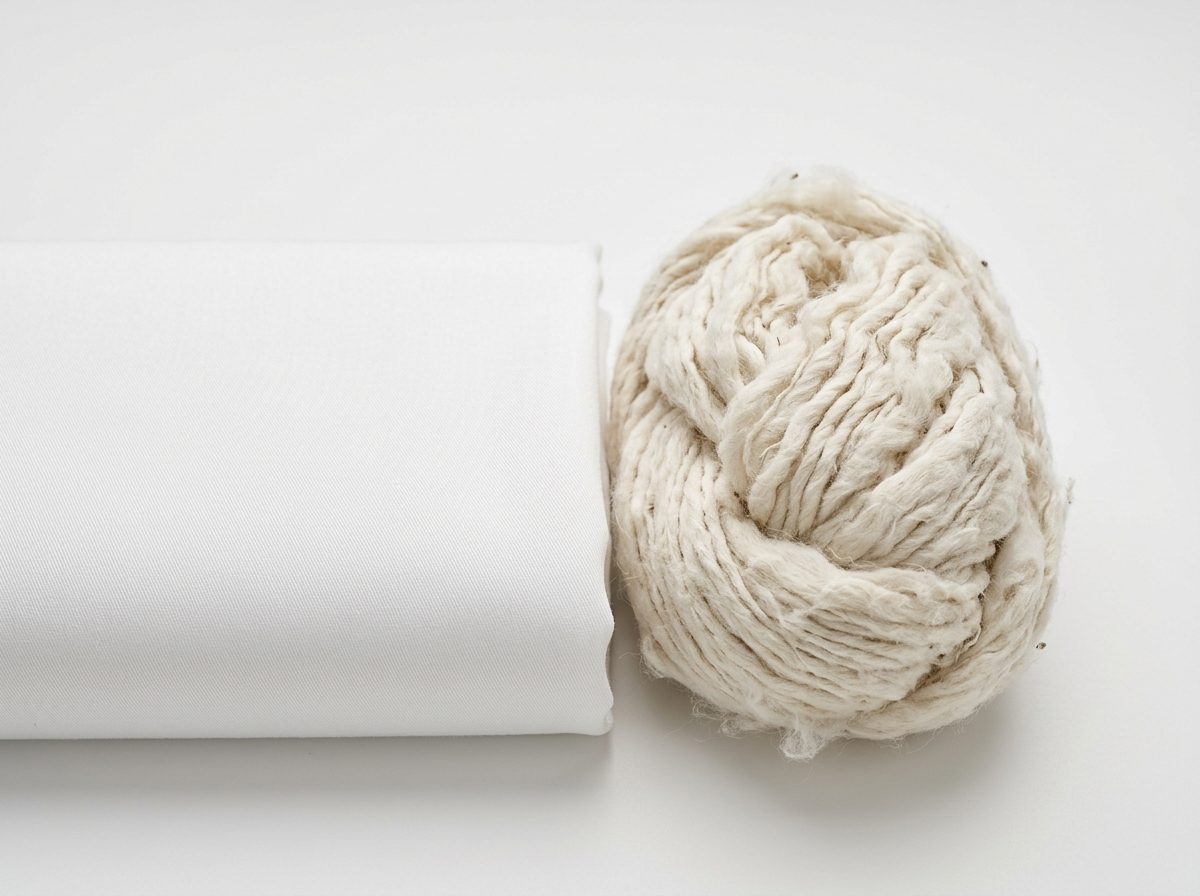
Photo Reference: Combed cotton eliminates short fibers and impurities for a smooth, high-strength finish.
Key Differences in Softness, Pilling, and Longevity
Because combed cotton has no short, prickly fiber ends, it feels noticeably softer and smoother against sensitive skin right from the first wear.
Furthermore, combed cotton is approximately 30% stronger than regular cotton. It withstands frequent washing without thinning out, shedding fuzz, or shrinking unevenly.
Side-by-Side Comparison
| Fabric Attribute | Regular Carded Cotton | Combed Cotton |
|---|---|---|
| Fiber Selection | Contains short, uneven, brittle fibers | Only long-staple, uniform fibers retained |
| Surface Touch | Slightly textured, dry, can feel scratchy | Silky smooth, soft peach-fuzz feel |
| Pilling Resistance | Prone to lint balls after 5 to 10 washes | Highly resistant to pilling and fuzz |
| Yarn Strength | Standard tensile strength | Approx. 30% stronger and more durable |
| Graphic Print Output | Inks sit on uneven surface fuzz | Ultra-crisp, sharp print definition |
Why Retail Fashion Brands Always Choose Combed Cotton
While regular carded cotton is acceptable for budget giveaway t-shirts and short-term event merchandise, serious retail apparel brands exclusively use 100% combed cotton.
When customers touch a garment in a showroom or unbox their order, the silky hand-feel of combed cotton immediately justifies premium retail pricing.
Learn more about carding, combing, and ring-spinning in our yarn and fabric processing guide.
Frequently Asked Questions
Straightforward answers to the 5 most common questions on this topic.
Explore Related Production Lines
READY TO MANUFACTURE YOUR CUSTOM CLOTHING LINE?
Connect with our Goregaon West team to review premium fabric swatches, order sample prototypes, and receive custom bulk pricing.