DTG vs DTF Printing: Direct-to-Garment vs Direct-to-Film
Compare Direct-to-Garment (DTG) and Direct-to-Film (DTF) digital apparel printing for color vibrancy, fabric compatibility, and hand feel.
Digital printing has revolutionized modern fashion production, allowing brands to print full-color graphics without making physical screen stencils. Direct-to-Garment (DTG) and Direct-to-Film (DTF) represent the two leading digital methods, each with distinct fabric requirements and print textures.
DTF has rapidly surpassed DTG in commercial efficiency and color vibrancy on dark poly-blends. Explore our custom digital garment printing job work to compare samples.
How Direct-to-Garment (DTG) Printing Works
DTG functions like a giant inkjet printer designed for clothing. A cotton t-shirt is loaded onto a flat platen, and specialized aqueous pigment inks are sprayed directly into the fabric weave, followed by heat-press curing.
Because the ink penetrates directly into the yarn, DTG prints maintain excellent fabric breathability and an ultra-soft hand feel, making it the favorite digital method for lightweight cotton summer tees.
How Direct-to-Film (DTF) Printing Works
Instead of spraying ink directly onto fabric, DTF prints the artwork onto a transparent PET film. A hot-melt adhesive powder is applied across the wet ink, melted in an inline dryer, and heat-pressed onto the garment.
DTF creates a crisp, vibrant graphic layer that bonds to virtually any textile—including 100% cotton, polyester, nylon, canvas, and heavy fleece hoodies.
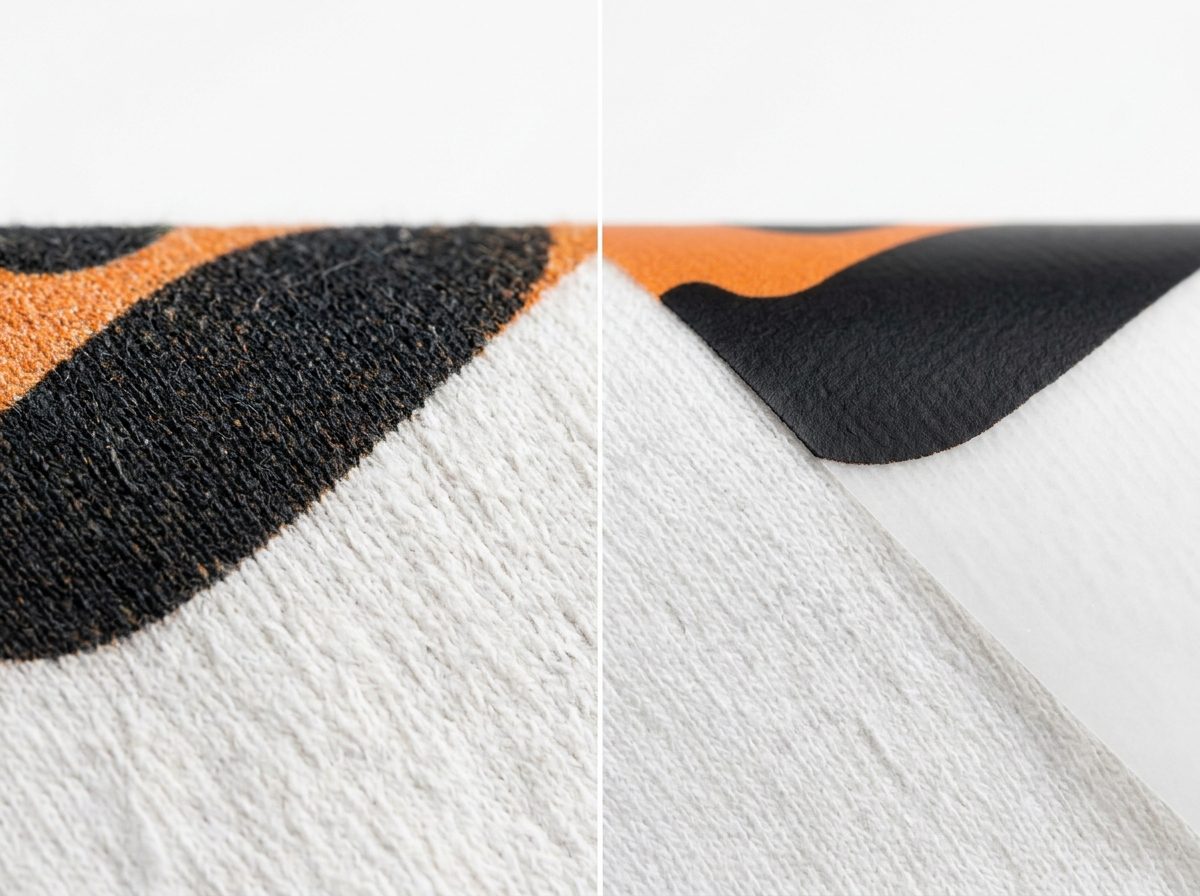
Photo Reference: Direct-to-Garment (DTG) fiber-absorbed ink compared with Direct-to-Film (DTF) transfer film.
Key Differences in Fabric Versatility and Hand Feel
DTG requires high-cotton fabrics (at least 80% cotton) because water-based DTG inks cannot bond with synthetic polyester fibers. Furthermore, printing DTG on dark garments requires a liquid pre-treatment chemical that can leave a temporary halo until washed.
DTF requires zero liquid fabric pre-treatment and prints with equal brilliance on white, black, cotton, and polyester garments. However, large solid DTF transfers feel slightly thicker on the chest than DTG prints.
Side-by-Side Comparison
| Comparison Factor | Direct-to-Garment (DTG) | Direct-to-Film (DTF) |
|---|---|---|
| Fabric Compatibility | 100% Cotton & high-cotton blends only | All fabrics (Cotton, Poly, Nylon, Fleece) |
| Surface Hand-Feel | Ultra-soft, breathable (soaks into yarn) | Smooth flexible film layer on surface |
| Color Vibrancy on Black | Soft, natural tones (requires pre-treatment) | Extremely vibrant, bright, high-contrast |
| Pre-Treatment Requirement | Mandatory liquid spray on dark shirts | Zero fabric pre-treatment needed |
| Durability & Wash Life | 30 to 45 washes (gradual natural fading) | 45 to 60 washes (high tensile elasticity) |
Choosing Between DTG and DTF for Your Clothing Line
Choose DTG if you are printing detailed, photo-realistic artwork on 100% combed cotton t-shirts and prioritize soft-hand breathability for warm weather wear.
Choose DTF if you need high color saturation on dark hoodies, polyester activewear, caps, tote bags, or mixed-fabric collections where fabric versatility is essential.
Digital printing enables rapid multi-design drops within our low MOQ apparel production framework.
Frequently Asked Questions
Straightforward answers to the 5 most common questions on this topic.
Explore Related Production Lines
READY TO MANUFACTURE YOUR CUSTOM CLOTHING LINE?
Connect with our Goregaon West team to review premium fabric swatches, order sample prototypes, and receive custom bulk pricing.