Garment Quality Inspection: The 4-Point System Explained
Learn how the international 4-point fabric inspection standard grades textile rolls for defects, holes, slubs, and color shading before cutting cloth.
In industrial apparel manufacturing, quality control does not begin at the sewing machine—it begins the moment raw knitted fabric rolls arrive at the factory. The international 4-Point System (ASTM D5430) is the globally recognized textile grading standard used to inspect fabric rolls and eliminate defects before cutting a single t-shirt or hoodie.
The 4-point inspection system detects fabric defects like slubs, holes, and barre marks before a single blade touches the cloth. Explore our quality-controlled garment manufacturing in Mumbai standards.
How the 4-Point Fabric Inspection System Works
During inspection, fabric rolls are unrolled over a motorized, illuminated light table at a controlled speed. A certified quality auditor inspects the illuminated cloth for flaws such as holes, yarn knots, color shading, oil stains, and uneven knitting tension.
Defects are assigned penalty points ranging from 1 to 4 points based on the physical length and severity of the flaw. Crucially, no single linear yard of fabric can be penalized more than 4 points, regardless of how many flaws are present in that yard.
Penalty Point Assignment Rules (ASTM D5430)
• Defects up to 3 inches (7.5 cm): 1 Penalty Point • Defects between 3 and 6 inches (15 cm): 2 Penalty Points • Defects between 6 and 9 inches (23 cm): 3 Penalty Points • Defects over 9 inches (23 cm): 4 Penalty Points • Any hole, open tear, or severe drop-stitch (regardless of size): 4 Penalty Points
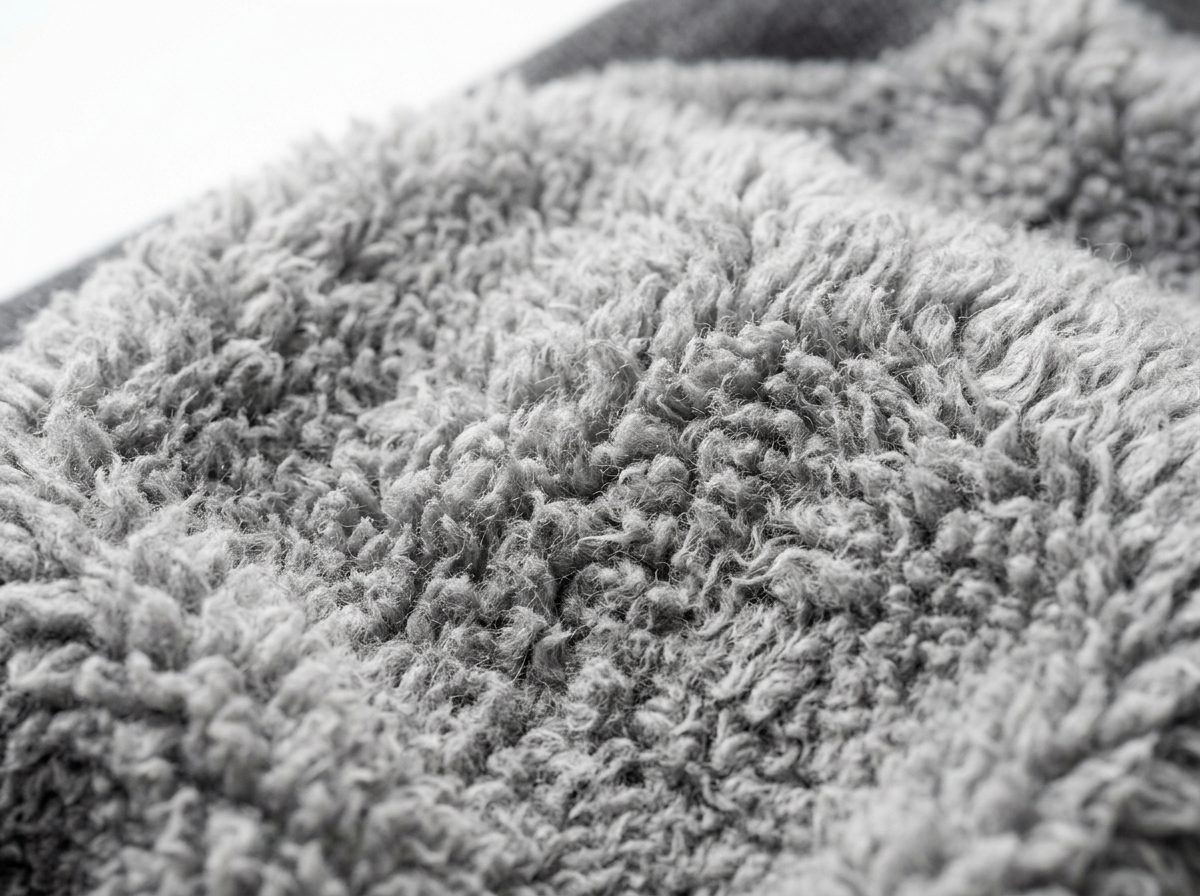
Photo Reference: Dense brushed fleece textile inspected for uniform fiber loft, zero slubs, and flawless surface integrity.
Calculating Points per 100 Square Yards
To determine whether a fabric roll passes or fails, auditors calculate the total penalty points normalized per 100 square yards: (Total Points / Inspected Yards × Fabric Width in Inches) × 3,600.
An individual fabric roll passes inspection if total penalty points remain below 40 points per 100 square yards (and an average of below 28 points across the entire fabric shipment).
Side-by-Side Comparison
| Defect Size / Flaw Type | Penalty Points | Severity Level |
|---|---|---|
| Flaws up to 3 inches (7.5 cm) | 1 Point | Minor surface slub or tiny yarn lint |
| Flaws 3 to 6 inches (15 cm) | 2 Points | Noticeable yarn thick-spot or minor stain |
| Flaws 6 to 9 inches (23 cm) | 3 Points | Uneven knitting line or color streak |
| Flaws over 9 inches (23 cm) | 4 Points | Major horizontal stripe or broad oil mark |
| Holes, open tears, or needle drops | 4 Points (Automatic Max) | Critical defect (unacceptable in retail) |
Why Pre-Cut Fabric Auditing Protects Clothing Brands
If an uninspected fabric roll with a small yarn hole is placed on a cutting table, that single flaw can ruin 20 finished t-shirts, creating customer returns and tarnishing brand reputation.
By enforcing 4-point fabric audits and 100% inline sewing inspections, professional manufacturers ensure that only flawless, showroom-grade garments reach your retail inventory.
Rigorous quality inspection ensures defect-free runs across large corporate apparel and uniform manufacturing contracts.
Frequently Asked Questions
Straightforward answers to the 5 most common questions on this topic.
Explore Related Production Lines

READY TO MANUFACTURE YOUR CUSTOM CLOTHING LINE?
Connect with our Goregaon West team to review premium fabric swatches, order sample prototypes, and receive custom bulk pricing.