How to Prevent Fabric Color Bleeding in Cotton Clothes
Understand why cotton fabrics bleed color in the wash, how reactive covalent dyeing bonds with cellulose, and commercial colorfastness testing.
There is nothing more alarming than pulling laundry from the washing machine only to find that a new black or red t-shirt has bled excess dye, turning white garments pink or gray. Understanding the textile chemistry of dye bonding helps both clothing brand founders and consumers prevent color bleeding permanently.
Color bleeding happens when cheap direct dyes wash out of cellulose fibers. S P CREATION exclusively utilizes reactive dyes with high fixation rates; check our reactive dyeing and color fastness guide.
The Chemistry: Reactive Covalent Dyeing vs Cheap Direct Dyes
In budget commercial apparel, fabrics are frequently dyed using cheap direct or basic dyes that merely cling mechanically to the outer surface of cotton fibers. When submerged in warm water with detergent, these weak ionic bonds break down instantly, releasing loose dye into the wash bath.
High-end apparel manufacturers exclusively use reactive dyes. Reactive dye molecules chemically react with natural cotton cellulose under alkali conditions, forming unbreakable covalent bonds. The dye becomes an integral part of the cotton molecule itself and cannot wash out.
Why Post-Dye Soaping and Hot-Water Clearing Matters
Even with reactive dyeing, a tiny fraction (roughly 2% to 4%) of hydrolyzed dye molecules fail to form covalent bonds with the fibers.
Certified textile processing houses run newly dyed fabric rolls through multi-stage industrial soaping baths at 95°C. This thoroughly washes out all loose, unfixed surface dye molecules in the factory, ensuring zero color bleeding when the garment reaches the consumer.
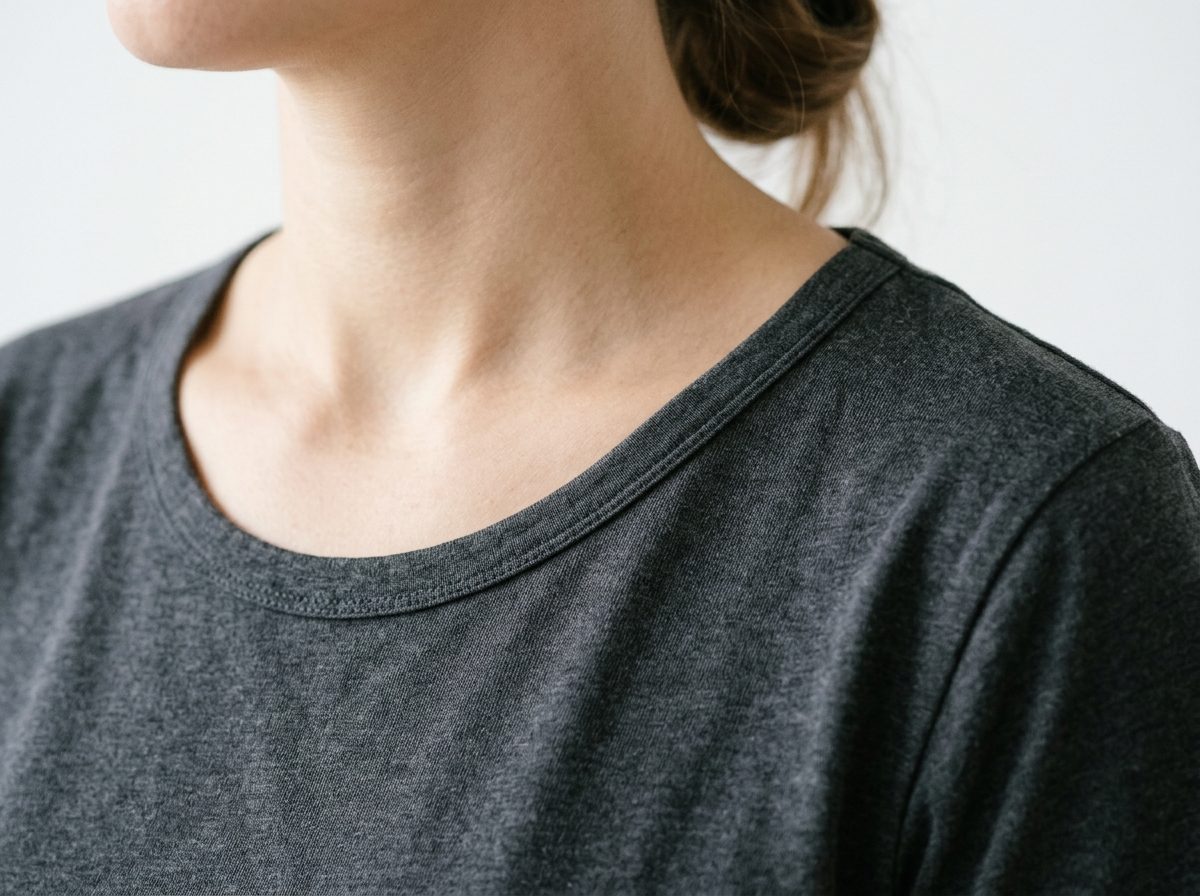
Photo Reference: Deep jet black reactive-dyed combed cotton providing Grade 4.5+ wash fastness with zero bleeding.
How Quality Garment Factories Test Color Fastness
Professional apparel manufacturers test colorfastness before mass cutting using standard ISO 105-C06 wash-vat testing.
A specimen of dyed fabric is stitched against a multi-fiber test strip (containing pure white cotton, wool, nylon, and polyester) and laundered under aggressive thermal and chemical agitation. If the white cotton remains completely unsoiled (Grade 4 to 5), the dye batch is approved for cutting.
Side-by-Side Comparison
| Dyeing Technique | Colorfastness Rating (1 to 5) | Color Bleeding Risk |
|---|---|---|
| Commercial Direct Dye | Grade 2 to 3 (Poor) | High (bleeds heavily in first 3 to 5 washes) |
| Reactive Covalent Dyeing | Grade 4.5 to 5.0 (Excellent) | Zero / Extremely Low (covalently locked) |
| Pigment Garment Wash | Grade 3.5 (Intentional vintage fade) | Mild (designed for distressed aesthetic) |
| Disperse Dye (Polyester) | Grade 4.5 to 5.0 (High permanence) | Zero (dye trapped in synthetic polymer pores) |
| Acid Dye (Wool / Silk) | Grade 4.0 (Good with cold care) | Low if washed with pH-neutral detergent |
Best Practices for Fashion Brands and Consumers
Always require a certified Grade 4+ reactive dye fastness report in your fabric technical specs when manufacturing custom dark colorways (Jet Black, Crimson Red, Deep Navy).
For consumers, always wash new vibrant colored clothes inside out in cold water (30°C or below) and wash similar dark colors together on the initial laundry cycle.
Test our color fastness standards across 30+ shades in our custom dyed cotton round neck t-shirts.
Frequently Asked Questions
Straightforward answers to the 5 most common questions on this topic.
Explore Related Production Lines
READY TO MANUFACTURE YOUR CUSTOM CLOTHING LINE?
Connect with our Goregaon West team to review premium fabric swatches, order sample prototypes, and receive custom bulk pricing.