Overlock vs Flatlock Stitching in Sportswear and T-Shirts
Understand the difference between standard overlock serger seams and chafeless, seamless flatlock stitching in activewear, gym wear, and tees.
In garment construction, the type of seam stitching used dictates how a piece of clothing feels against bare skin during motion. While overlock stitching is the global standard for casual wear, high-performance athletic wear relies on multi-needle flatlock stitching to eliminate skin chafing.
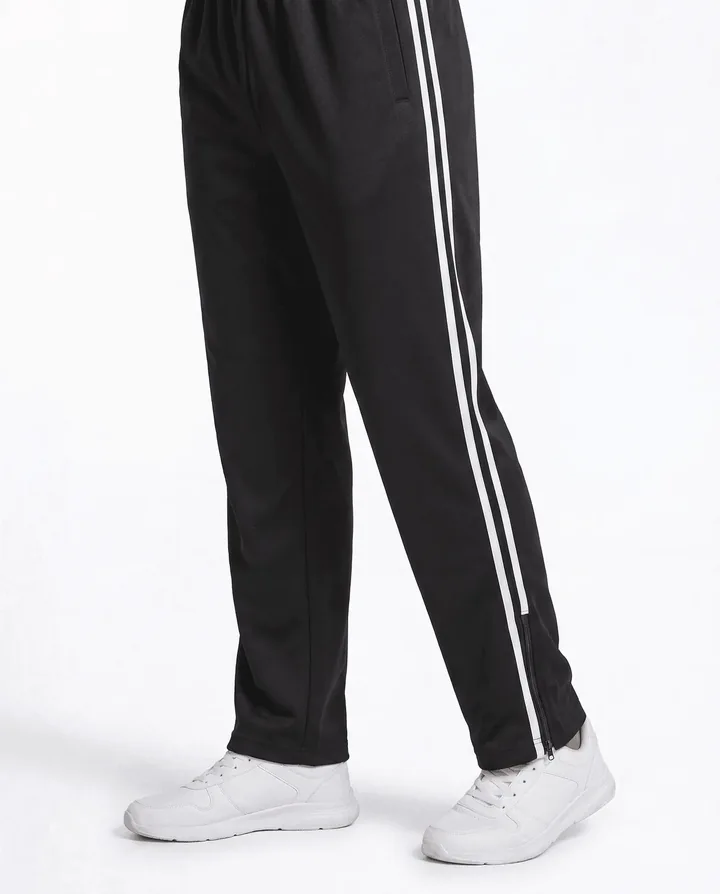
Flatlock stitching creates a seamless, chafe-free join essential for high-movement activewear; see it executed on our athletic trackpants and performance bottomwear.
Understanding Overlock (Serger) Stitching
Overlock stitching (commonly called serging) joins two pieces of fabric by trimming the raw cut edges with an automated knife blade and wrapping 3, 4, or 5 interlocking threads around the edge.
Overlock seams are strong, fast to sew, and flexible. However, because the two fabric edges are folded together, it leaves a small raised internal ridge along side seams, armholes, and shoulders.
Understanding Flatlock (Coverstitch) Stitching
Flatlock stitching uses specialized 4-needle, 6-thread industrial sewing machines. Instead of overlapping fabric edges, flatlock machines butt the two raw edges flush side-by-side with zero overlap.
The threads interlock across the joint, creating a completely flat seam that is identical on both the inside and outside of the garment. There is zero raised ridge to cause friction against sweaty skin.
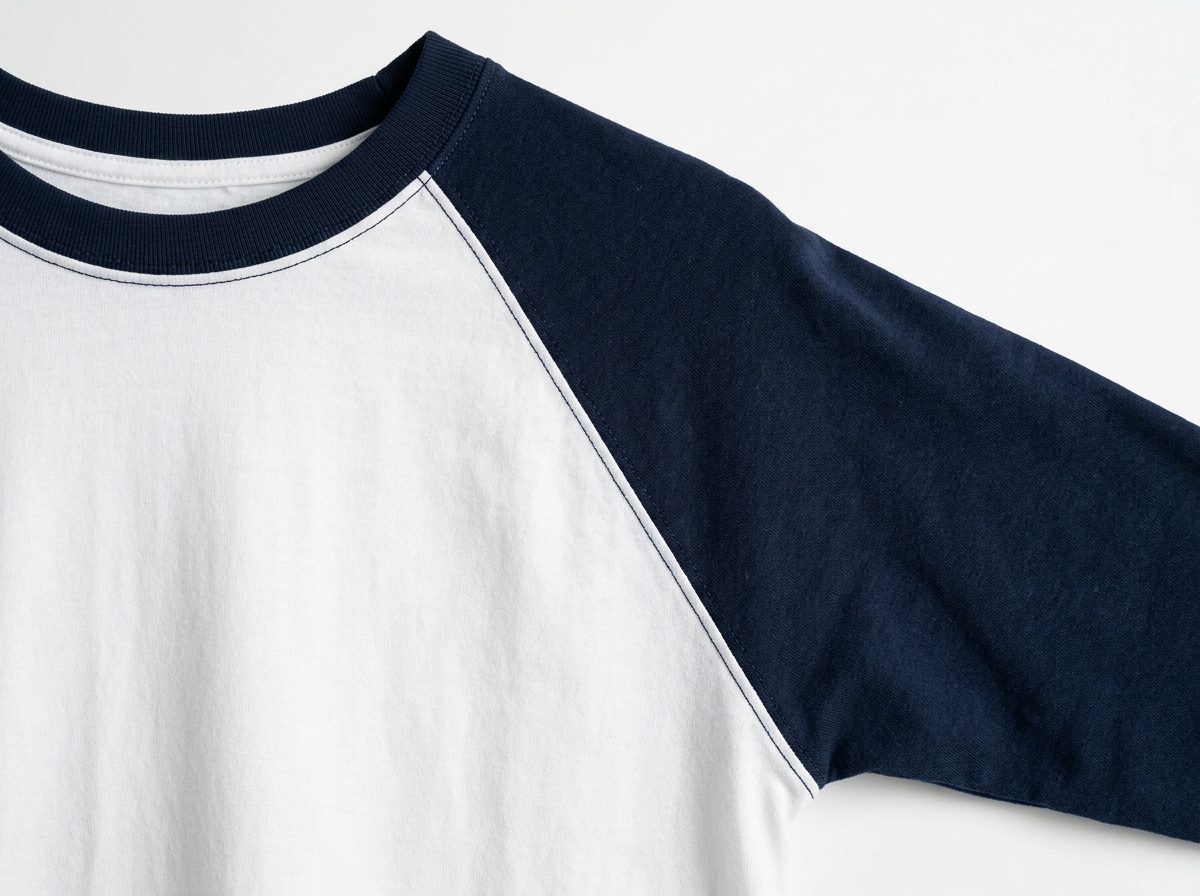
Photo Reference: Precision athletic seam joinery engineered for maximum four-way stretch and chafeless skin contact.
Seam Elasticity and Performance Differences
Flatlock seams provide extreme 4-way stretch elasticity. When an athlete performs deep squats or stretches in compression tights, flatlock seams expand with the fabric without popping threads.
In casual loose-fitting t-shirts and oversized hoodies, the raised ridge of an overlock seam hangs away from the skin, making overlock more than comfortable enough while saving manufacturing costs.
Side-by-Side Comparison
| Seam Metric | Overlock (Serger) Seam | Flatlock (4-Needle 6-Thread) Seam |
|---|---|---|
| Internal Seam Profile | Raised fabric ridge on inside of garment | 100% flat and flush against the skin |
| Skin Chafing Potential | Can cause friction during long runs/cycling | Completely chafeless and seamless |
| Four-Way Stretch Recovery | Moderate stretch (good for casual tees) | Maximum high-tensile stretch (never pops) |
| Primary Applications | Casual t-shirts, polos, fleece hoodies, jeans | Gym leggings, rash guards, cycling kits, base layers |
| Machine & Sewing Cost | Economical, rapid industrial standard | High-cost specialized machinery, slower sewing |
Selecting the Right Stitching for Your Product Line
For performance sportswear, gym compression wear, marathon jerseys, and yoga leggings, flatlock stitching is an absolute non-negotiable requirement for customer satisfaction.
For casual streetwear, oversized graphic tees, and heavyweight cotton hoodies, standard 4-thread overlock reinforced with twin-needle topstitching delivers unbeatable structural longevity.
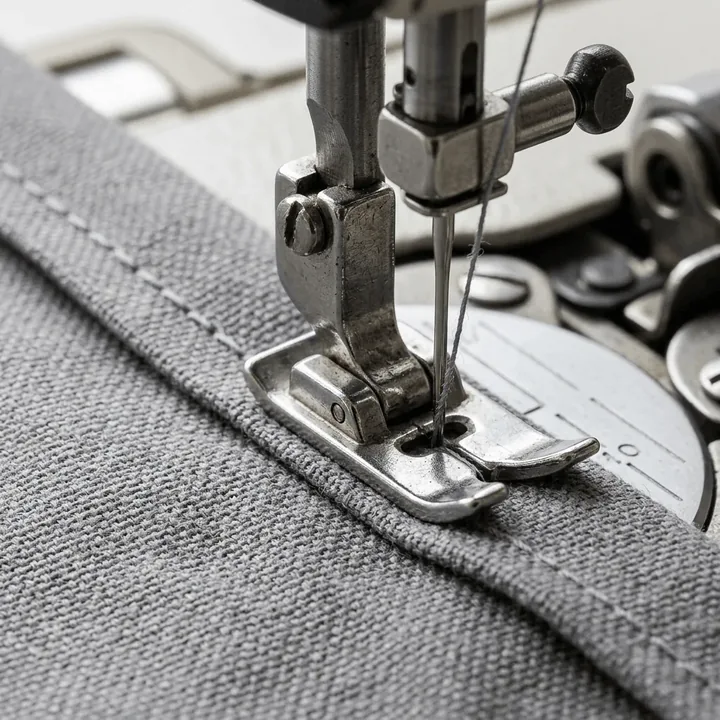
Our factory operates both 4-thread overlock and 6-thread flatlock machinery; learn about our apparel sewing and finishing capabilities.
Frequently Asked Questions
Straightforward answers to the 5 most common questions on this topic.
Explore Related Production Lines
READY TO MANUFACTURE YOUR CUSTOM CLOTHING LINE?
Connect with our Goregaon West team to review premium fabric swatches, order sample prototypes, and receive custom bulk pricing.