What Does GSM Mean in Fabric and Clothing?
A plain-English explanation of Grams per Square Meter (GSM), fabric thickness, weight classes, and how to choose the right GSM for your clothes.
When shopping for clothes or manufacturing custom garments, you will frequently see numbers like 180 GSM, 240 GSM, or 400 GSM on product tags and fabric swatches. Understanding what GSM means is the easiest way to know how heavy, thick, and durable a garment will feel before you wear or order it.
For a complete tactile understanding of yarn counts, loop structures, and weights, visit our comprehensive fabric and GSM guide to inspect swatches from 160 to 450 GSM.
What Does GSM Stand For?
GSM stands for Grams per Square Meter. It is the international standard metric used in the textile industry to calculate the physical weight of one square meter of fabric.
To measure GSM, fabric mills cut a standardized 100 cm² circular sample using a specialized rotary cutter and weigh it on a high-precision digital scale. The resulting weight in grams is multiplied by 100 to give the exact grams per square meter.
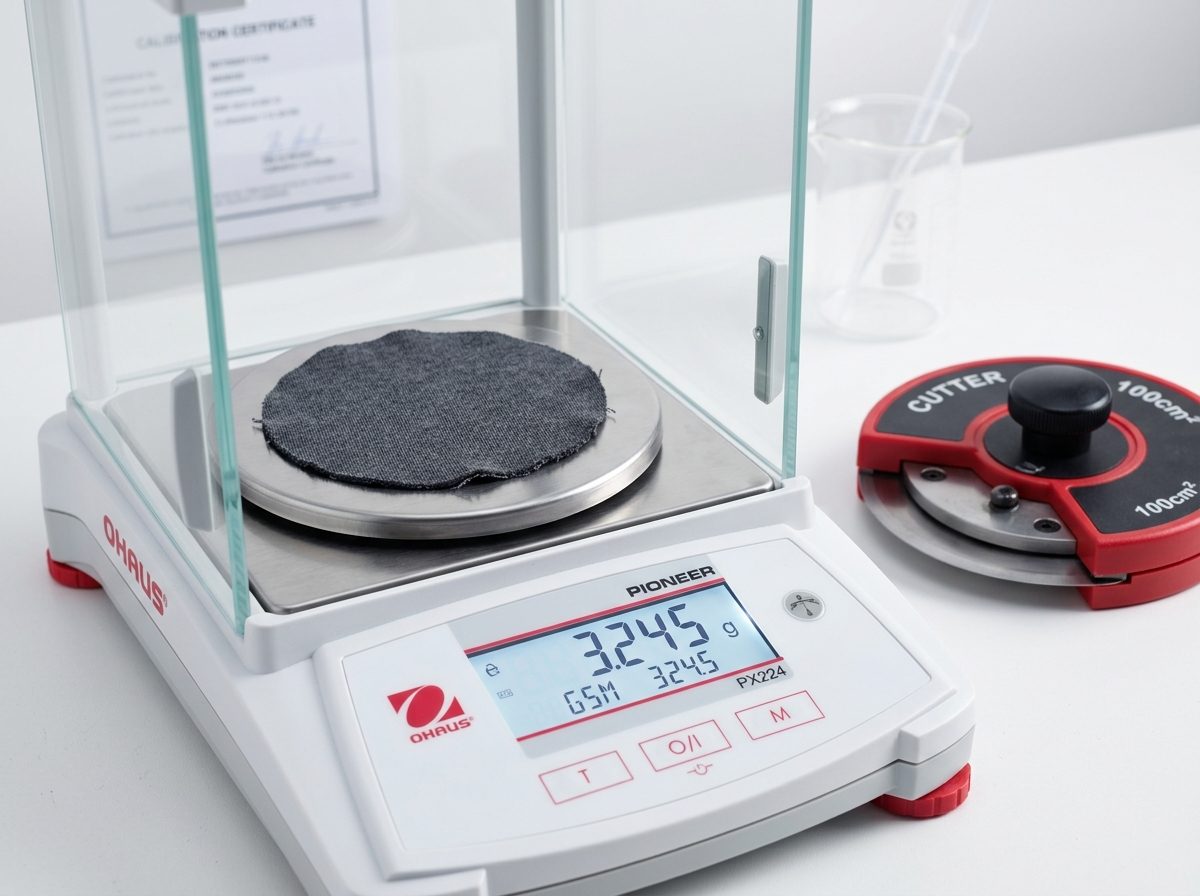
Photo Reference: Circular fabric sample cutter and high-precision digital balance measuring grams per square meter.
Does Higher GSM Always Mean Better Quality?
A common misconception is that higher GSM always equals superior quality. In reality, GSM only measures fabric weight and thickness, not how good the cotton is.
For instance, a 180 GSM t-shirt made with 100% long-staple combed cotton will feel softer, smoother, and last longer than a rough, heavy 240 GSM carded fabric. GSM determines weight and warmth; yarn grade and bio-washing determine softness and durability.
Understanding Common GSM Weight Classes
Lightweight fabrics (140 to 180 GSM) are airy and thin, making them ideal for gym activewear and featherlight summer t-shirts.
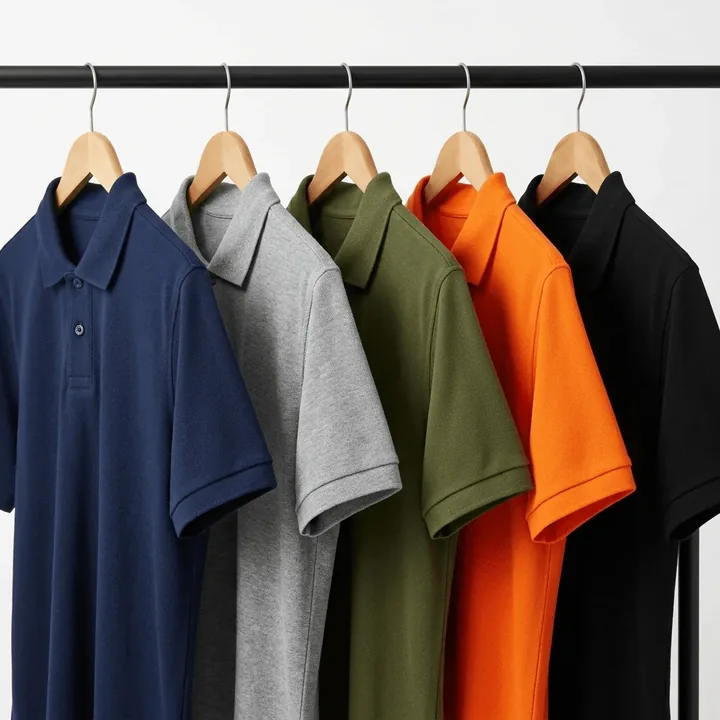
Medium-weight fabrics (180 to 220 GSM) are the most popular industry standard for classic daily wear t-shirts, offering a balance of breathability and opacity.
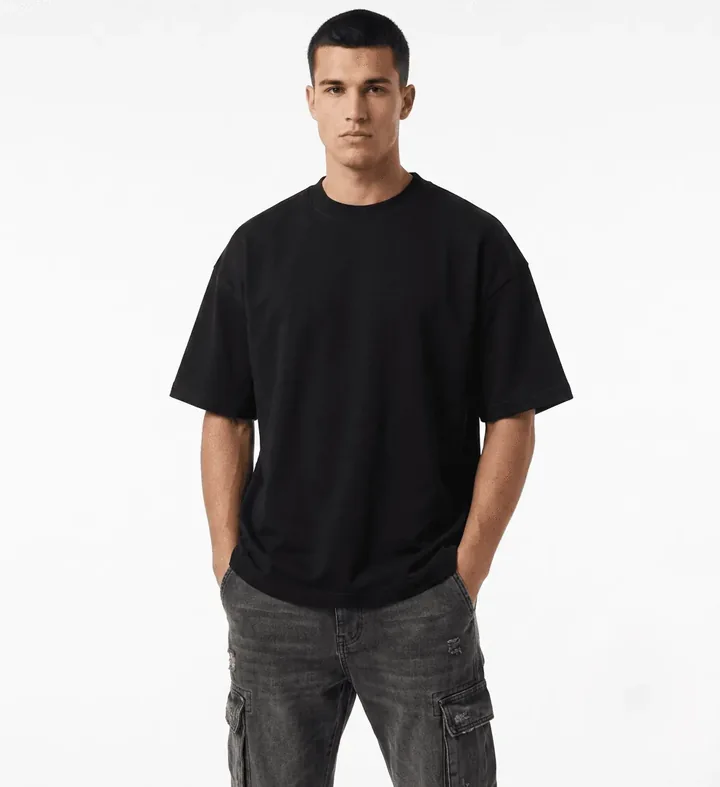
Heavyweight fabrics (240 to 420 GSM) provide structured, non-transparent drapes for oversized streetwear t-shirts (220–260 GSM) and warm winter hoodies (350–420 GSM).
Side-by-Side Comparison
| GSM Range | Garment Type | Feel & Thickness | Best Season / Use |
|---|---|---|---|
| 140 – 160 GSM | Ultra-Light Tees & Activewear | Very thin, breezy, quick-drying | Intense gym workouts, extreme heat |
| 180 – 200 GSM | Classic Regular Fit T-Shirts | Medium weight, soft, breathable | Everyday casual wear all year round |
| 220 – 260 GSM | Heavyweight Streetwear Tees | Thick, structured, boxy drape | Modern streetwear, oversized drops |
| 280 – 320 GSM | Light Sweatshirts & Joggers | Medium-heavy knit, cozy feel | Spring, autumn, air-conditioned spaces |
| 350 – 420 GSM | Heavyweight Winter Hoodies | Very thick, plush, fleece-lined | Winter warmth, premium streetwear |
How to Pick the Right GSM for Your Needs
If you want a daily casual t-shirt that breathes easily and feels featherlight against your skin, choose 180 to 200 GSM single jersey cotton. It gives you the perfect balance of opacity and breathability without feeling bulky.
If you are building a streetwear collection with boxy shoulders and structured silhouettes, go for 240 GSM combed cotton. The extra weight gives the t-shirt a crisp, premium drape that does not cling to the body.
Discover how we translate high GSM into structured silhouettes with our heavyweight oversized t-shirts manufactured in 240+ GSM compact cotton.
Frequently Asked Questions
Straightforward answers to the 5 most common questions on this topic.
Explore Related Production Lines
READY TO MANUFACTURE YOUR CUSTOM CLOTHING LINE?
Connect with our Goregaon West team to review premium fabric swatches, order sample prototypes, and receive custom bulk pricing.