What Is Pre-Shrunk Fabric Meaning and How Does It Work?
Learn what preshrunk cotton fabric means, how industrial sanforization and steam compacting work, and expected shrinkage rates.
When shopping for high-quality t-shirts and hoodies, seeing a label that states '100% Pre-Shrunk Combed Cotton' is one of the strongest indicators of premium garment manufacturing. However, many buyers wonder: does preshrunk mean a garment will have zero shrinkage forever, or is it a controlled industrial stabilization process?
Sanforization and compressive shrinking reduce potential dimensional change down to under 3%; explore our pre-shrunk textile catalog and fabric guide.
The Science of Sanforization and Tubular Compacting
When raw cotton is knitted into jersey fabric on circular machines, high mechanical pulling forces stretch the yarn loops vertically. If this raw knitted cloth is cut and sewn immediately, it will shrink 10% to 12% on the customer's first laundry cycle.
Pre-shrinking (often called Sanforization or tubular compacting) is an advanced post-knitting finishing process. The knitted fabric passes through pressurized steam chambers and heavy rubber compactor blankets that mechanically compress and relax the yarn loops back to their natural state before cutting.
Pre-Shrunk vs Unshrunk Cotton: Real-World Differences
In unshrunk cotton garments, the first warm wash causes dramatic dimensional loss—collars pull inward, sleeves shorten by an inch, and side seams frequently twist across the body (spirality).
In pre-shrunk garments, the yarn has already undergone full thermal relaxation at the mill. When laundered at home in cold water, shrinkage is confined to a tight, unnoticeable 1% to 3% tolerance.
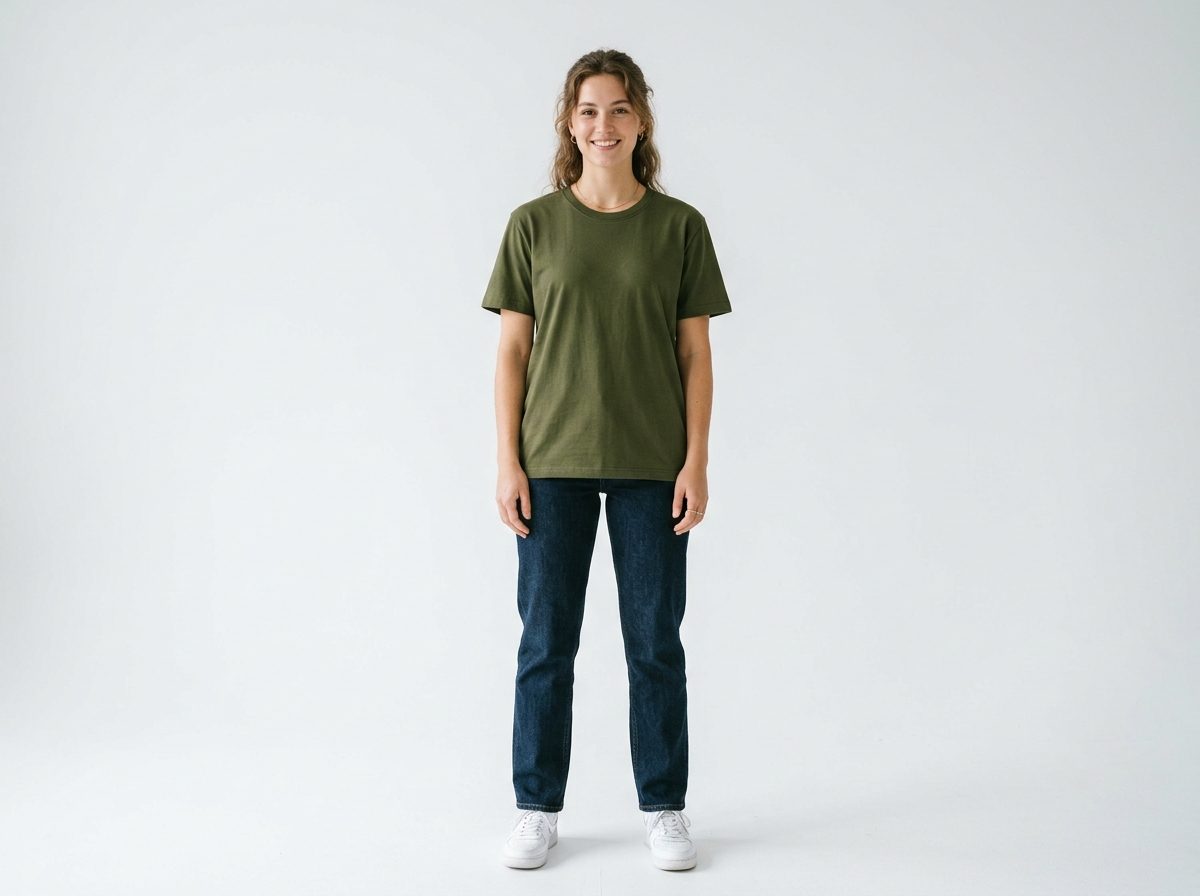
Photo Reference: Pre-shrunk combed cotton jersey maintaining its original pattern block fit and smooth drape through multiple washes.
Does Pre-Shrunk Mean Zero Shrinkage?
No commercial natural cotton garment can claim 100% zero shrinkage under all conditions. Cotton is an organic plant fiber that naturally responds to extreme thermal moisture.
However, pre-shrunk fabric ensures that as long as the garment is washed under normal domestic care conditions (cold water, gentle cycle, hang dry), the fit will stay consistent with the size tag indefinitely.
Side-by-Side Comparison
| Fabric Property | Standard Unshrunk Cotton | Pre-Shrunk & Compacted Cotton |
|---|---|---|
| Post-Wash Shrinkage | 8% to 14% (drops 1 to 2 full sizes) | 1% to 3% (virtually imperceptible) |
| Mill Processing | Cut directly from knitting rolls | Steam-injected rubber compactor finished |
| Seam Alignment | High risk of torquing and twisted side seams | Seams remain perfectly vertical and true |
| Fabric Density & Touch | Can feel loose and uneven | Dense, uniform knit with refined hand feel |
| Retail Return Rate | High customer returns for size distortion | Low return rates with consistent fit |
Why Quality Apparel Brands Must Demand Pre-Shrunk Fabric
For fashion founders, using pre-shrunk fabric is essential for building customer trust and brand loyalty. If a customer buys a Medium that turns into a Small after one wash, they will never reorder.
Always require a certified dimensional stability test report (<3% shrinkage after 3 domestic washes) in your factory manufacturing agreement.
Prevent customer fit complaints by using pre-shrunk cotton in your heavyweight streetwear t-shirt production.
Frequently Asked Questions
Straightforward answers to the 5 most common questions on this topic.
Explore Related Production Lines
READY TO MANUFACTURE YOUR CUSTOM CLOTHING LINE?
Connect with our Goregaon West team to review premium fabric swatches, order sample prototypes, and receive custom bulk pricing.